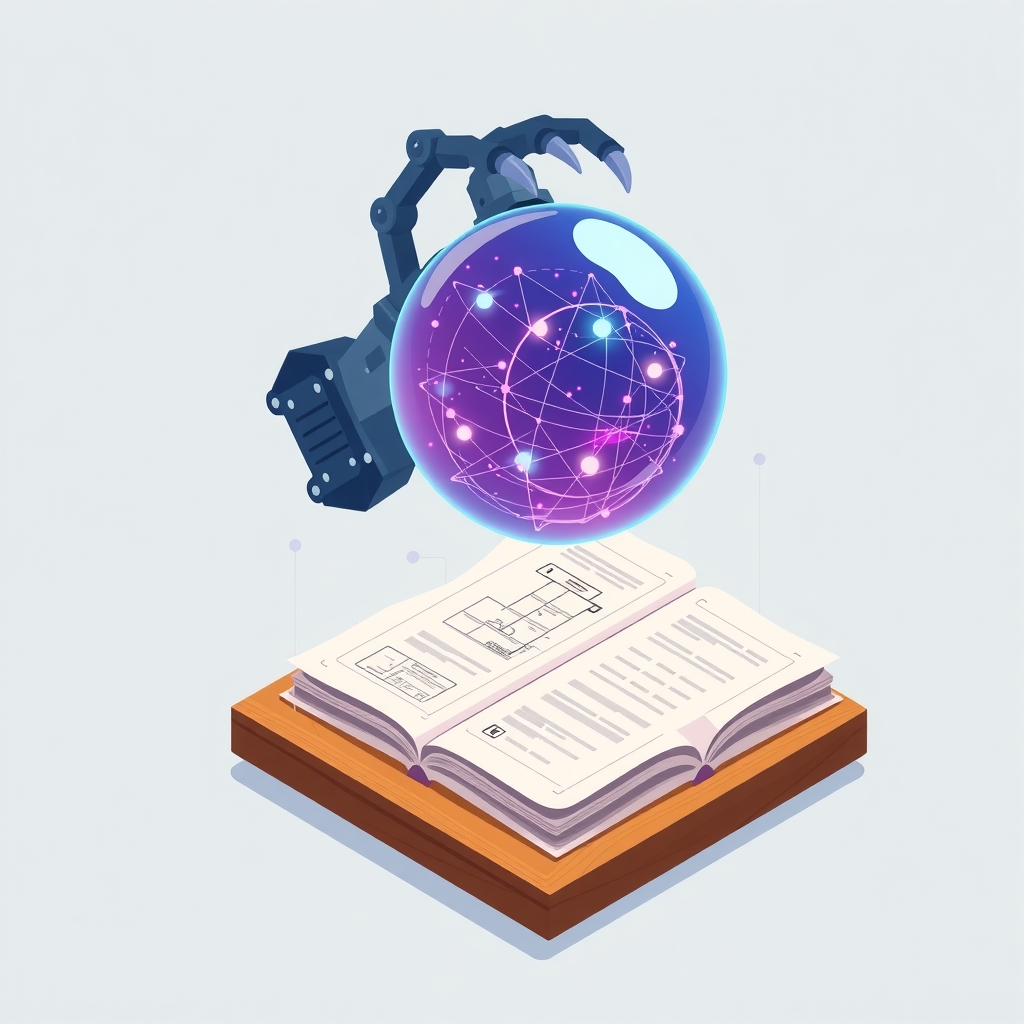
OpenClaw Enterprise offers open-source governance for self-hosted AI agents
OpenClaw Enterprise launches as an open-source control plane for managing persistent AI agents, backed by OpenAI, Nvidia, and Red Hat.
A daily digest on self-hosting, DevOps, security, document AI and HR tech. Each story is summarized, explains why it matters and links to the original publisher.
OpenClaw Enterprise launches as an open-source control plane for managing persistent AI agents, backed by OpenAI, Nvidia, and Red Hat.
Chatwoot removed API and webhook access from its free cloud tier in July 2026. Self-hosted instances retain full functionality under the MIT license.
Connecting AI agents to internal systems via MCP is straightforward, but securing field-level data access requires deterministic contracts like GraphQL to prevent leaks.
Internal moves often leave infrastructure ownership tags stale. Use access logs and policy checks to reassign resources before access is revoked.
A developer’s weekly monitoring bot stopped running due to Windows Task Scheduler power and sleep settings, highlighting the need for heartbeat checks.
The new open-source tool Gangway generates public HTTPS URLs for containerized apps on your own domain, supporting pull requests and AI agents without Kubernetes.
A new open-source gateway intercepts AI agent actions, enforcing rules and requiring human approval for risky operations like database changes or payments.
A developer shares critical lessons from managing a Docker homelab, covering image cleanup risks, unbounded log growth, and configuration persistence issues.
Chaos Cypher introduces an MCP server that lets Claude Code extract and validate knowledge graphs using only client-side models, removing the need for GPU-heavy local servers.
The Carbonato botnet targets unauthenticated Docker daemons to deploy Hermes AI agents, enabling automated credential theft and lateral movement via Telegram.
A new open-source tool runs 23 AI detectors locally, offering transparent scoring for text and websites without sending data to third parties.
The open-source WAIaaS project offers a Docker-based, policy-driven wallet service for AI agents with extensive test coverage and local execution.
Attackers registered a common documentation placeholder to serve malware, while Citrix patches urgent flaws under active exploitation. These incidents reveal hidden risks in self-hosted infrastructure
A new tutorial demonstrates how to run a local knowledge graph using Ollama and Chaos Cypher, enabling private document analysis without cloud APIs.
A data engineer reduced token usage by 2,300 times for large spreadsheets by performing calculations on a local server instead of sending raw rows to an AI model.